




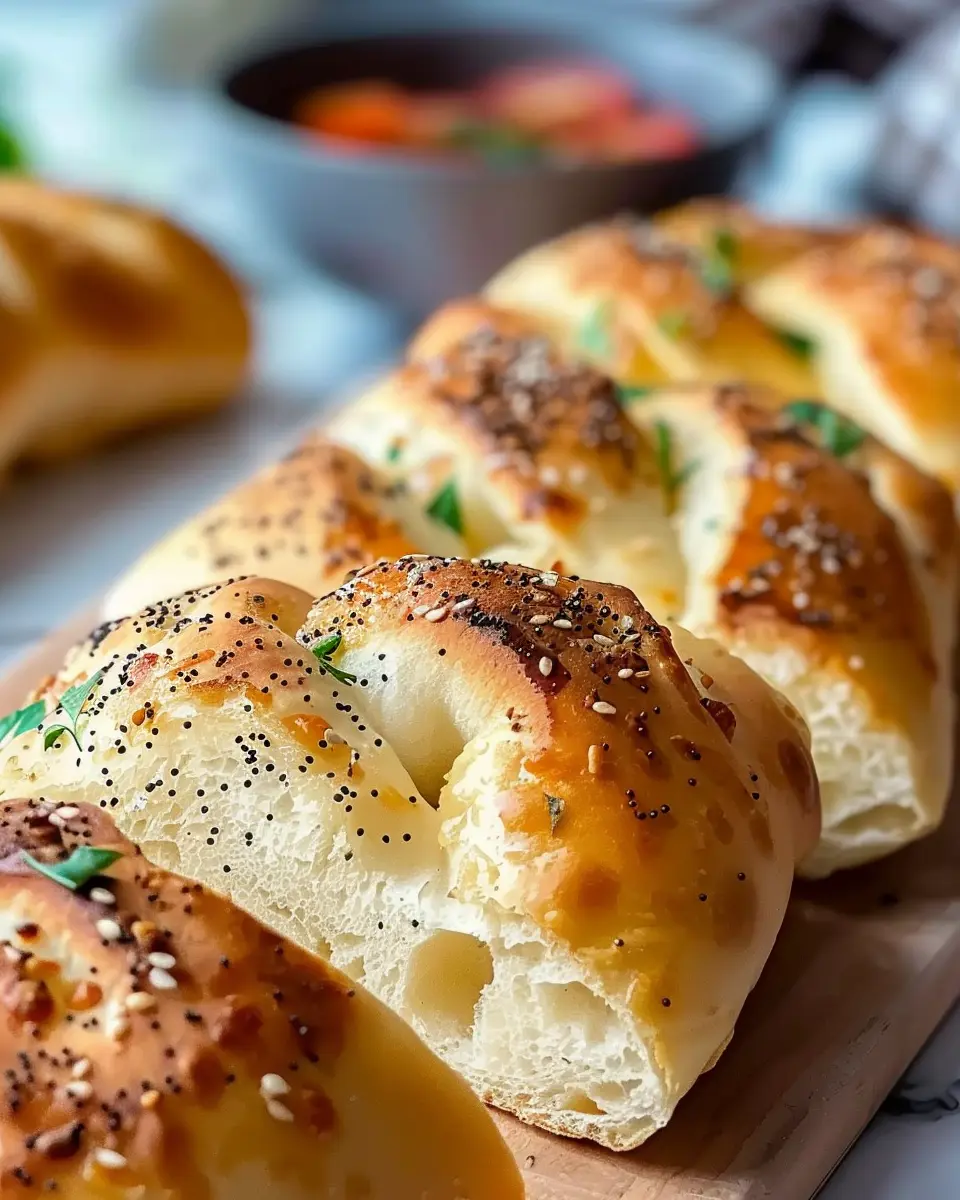
Introduction to No-Oven Turkish Bread
Baking can be intimidating, especially when equipment like ovens are involved. But have you ever considered making no-oven Turkish bread? This delightful bread is not only easy to prepare, but it also brings an authentic Turkish flavor right into your kitchen without the complexity of traditional baking. Whether you’re hosting a casual get-together or indulging in a cozy dinner, knowing how to whip up a quick and tasty bread will surely impress your friends.
Why make No-Oven Turkish Bread?
There are quite a few reasons to dive into making no-oven Turkish bread:
-
Simplicity: This recipe cuts out the need for an oven, making it perfect for those living in smaller spaces or simply looking for a quicker way to bake. A skillet is all you need!
-
Quick Preparation: You can have this fresh bread ready in about 30 minutes, allowing you to focus on other culinary creations or spend more time with your guests.
-
Versatility: The joy of this bread lies in its adaptability. Use it as a side for soups, dips, or as a base for sandwiches. Love Mediterranean flavors? Add herbs and spices to customize it to your liking. You could also pair it perfectly with olive oil and balsamic vinegar for dipping.
-
Health-Conscious: Making bread at home gives you control over the ingredients. Want to use whole wheat flour or reduce the salt? Go for it! The ability to choose healthier options is a huge plus.
-
Cultural Connection: Exploring Turkish cuisine can transport you to vibrant bazaars and cozy family dinners. Learning this bread-making technique can deepen your appreciation for diverse cultures and their culinary traditions.
Curious to learn more about Turkish bread’s rich history? Check out this article from Serious Eats that dives into its cultural significance.
In this recipe, you will discover how straightforward and rewarding making bread can be. You’ll never look at store-bought bread the same way after trying this delightful no-oven version! Ready to roll up your sleeves and bake? Let’s get started!
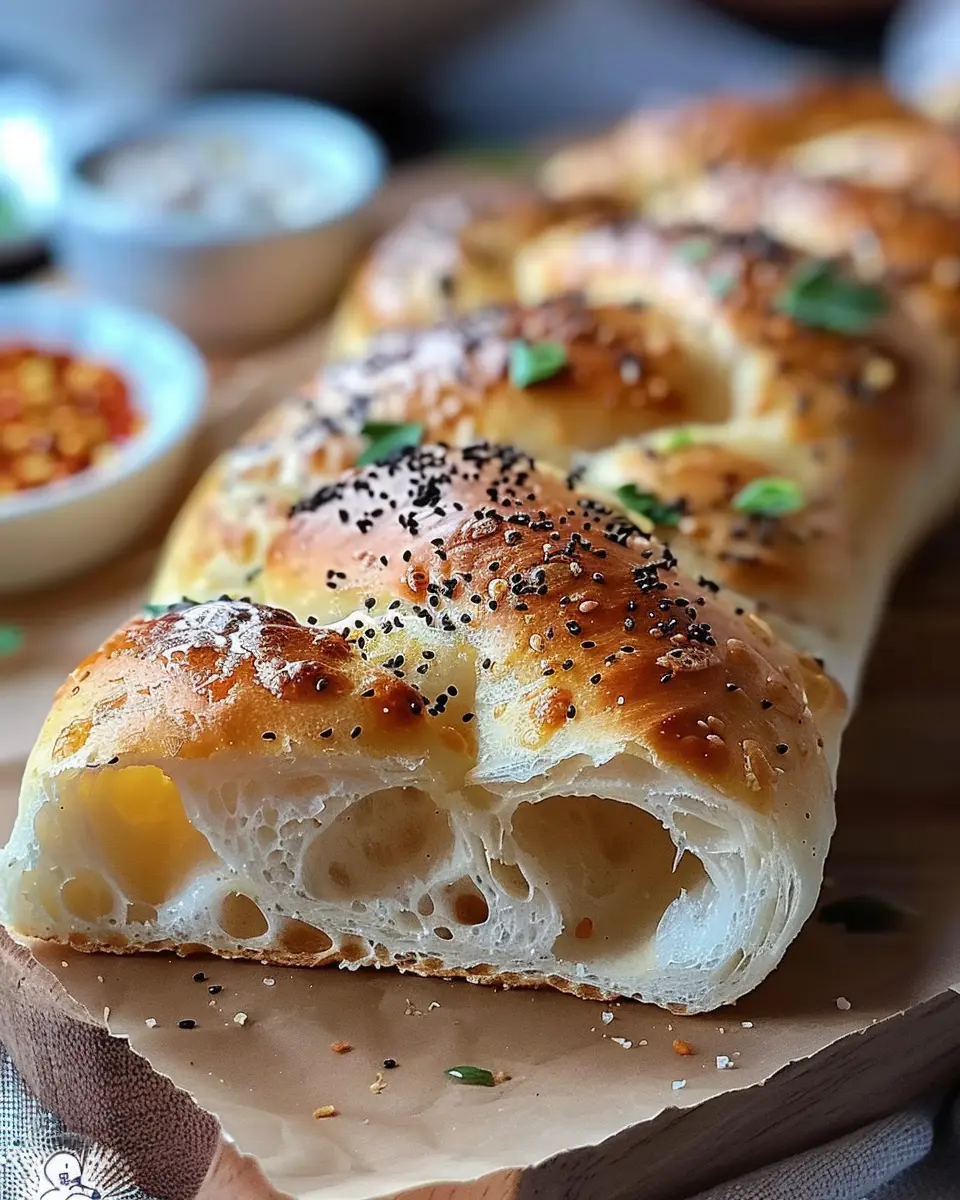
Ingredients for No-Oven Turkish Bread
Preparing your own no-oven Turkish bread isn’t just a rewarding experience; it also allows you to customize flavors to your liking. You might be surprised at how simple and accessible the ingredients are. Here’s what you’ll need:
- All-purpose flour: About 3 cups, which gives the bread a lovely texture.
- Warm water: 1 cup to activate the yeast and keep the dough moist.
- Active dry yeast: 2 teaspoons to help your bread rise perfectly.
- Sugar: 1 tablespoon for activating the yeast and adding a hint of sweetness.
- Salt: 1 teaspoon, enhancing the overall flavor profile.
- Olive oil: 2 tablespoons, which adds richness and moisture.
- Optional toppings: Sesame seeds or za’atar for that authentic Turkish flavor.
Use quality ingredients for the best results. Freshly ground flour can significantly elevate your bread’s taste, while organic olive oil can add a beautiful richness. If you’re looking for inspiration, check out this guide to artisan bread-making for tips on enhancing your baking techniques.
Whether you’re pairing this bread with a savory dip or using it for a fantastic sandwich, your homemade version will impress friends and family alike. Enjoy the cooking journey!
Preparing No-Oven Turkish Bread
If you’re itching to make some delicious, fluffy no-oven Turkish bread without the fuss of a traditional baking setup, you’re in the right place! This bread is perfect for soaking up your favorite dips or pairing with hearty meals. Let’s get started!
Gather Your Ingredients
Before diving into the fun part, make sure you have everything you need on hand. Here’s a simple list to guide you:
- Flour: All-purpose flour works best, but feel free to mix in some whole wheat for added flavor.
- Yeast: Either active dry or instant will do. Ensure it’s fresh for the best rise.
- Salt: Essential for flavor.
- Warm water: About 110°F (43°C) is ideal to help the yeast activate without killing it.
- Olive oil: A good-quality olive oil adds richness.
- Optional toppings: Sesame seeds, za’atar, or herbs can elevate your bread.
By gathering your ingredients first, you’re setting yourself up for success. Trust me, the last thing you want is to realize halfway through that you’re out of flour!
For more detailed guidance on ingredient selection, check out this helpful article on choosing the right flour type.
Mix the Dry Ingredients
In a large mixing bowl, start by combining the dry ingredients. You’ll want to mix:
- 3 cups of flour
- 2 teaspoons of salt
- 2 teaspoons of yeast
Stir these together to evenly distribute the yeast and salt. The mixing process is crucial as it prepares the foundation for our dough.
Combine and Knead the Dough
Now, it’s time to bring the dough to life! Gradually add warm water (about 1.25 cups) and 2 tablespoons of olive oil to your dry mixture. As you pour, stir with a wooden spoon or spatula until the mixture begins to form a dough.
Once it starts coming together, it’s time to get your hands a little dirty! Transfer the dough onto a lightly floured surface and knead for about 5-7 minutes. You’re looking for a smooth and elastic consistency. If it feels sticky, sprinkle just a bit more flour, but be careful not to overdo it.
Experts recommend kneading dough until it’s soft and springs back when poked. You’ll know you’ve done a good job when it feels perfectly stretchy.
Let the Dough Rise
Now comes the patience part! Place your kneaded dough in a lightly greased bowl and cover it with a clean kitchen towel or plastic wrap. Let it rise in a warm spot for about an hour or until it has doubled in size.
While you’re waiting, why not prep some flavorful toppings? You can mix a little olive oil with herbs and spices to brush on the dough before cooking, transforming your no-oven Turkish bread into a gourmet experience.
Shape and Cook the Bread
Once your dough has puffed up, it’s time to shape and cook it. Don’t worry; this is the fun part! Punch down the dough to release air, then divide it into smaller balls (about four to six, depending on how large you want your bread).
Flatten each ball into a disc shape about half an inch thick. For cooking, you have a couple of options—if you have a non-stick skillet or a griddle, heat it over medium heat. Cook each disc for about 3-4 minutes on each side or until golden brown and puffed.
Alternatively, you can use an electric griddle if you’re making a larger batch. Just remember to keep an eye on them to prevent burning.
And there you have it! Delicious, fluffy no-oven Turkish bread that’s simple to make and utterly satisfying. Time to serve it warm alongside hummus, tzatziki, or your favorite dips. It’s a versatile side that’s bound to impress at any gathering. Enjoy!
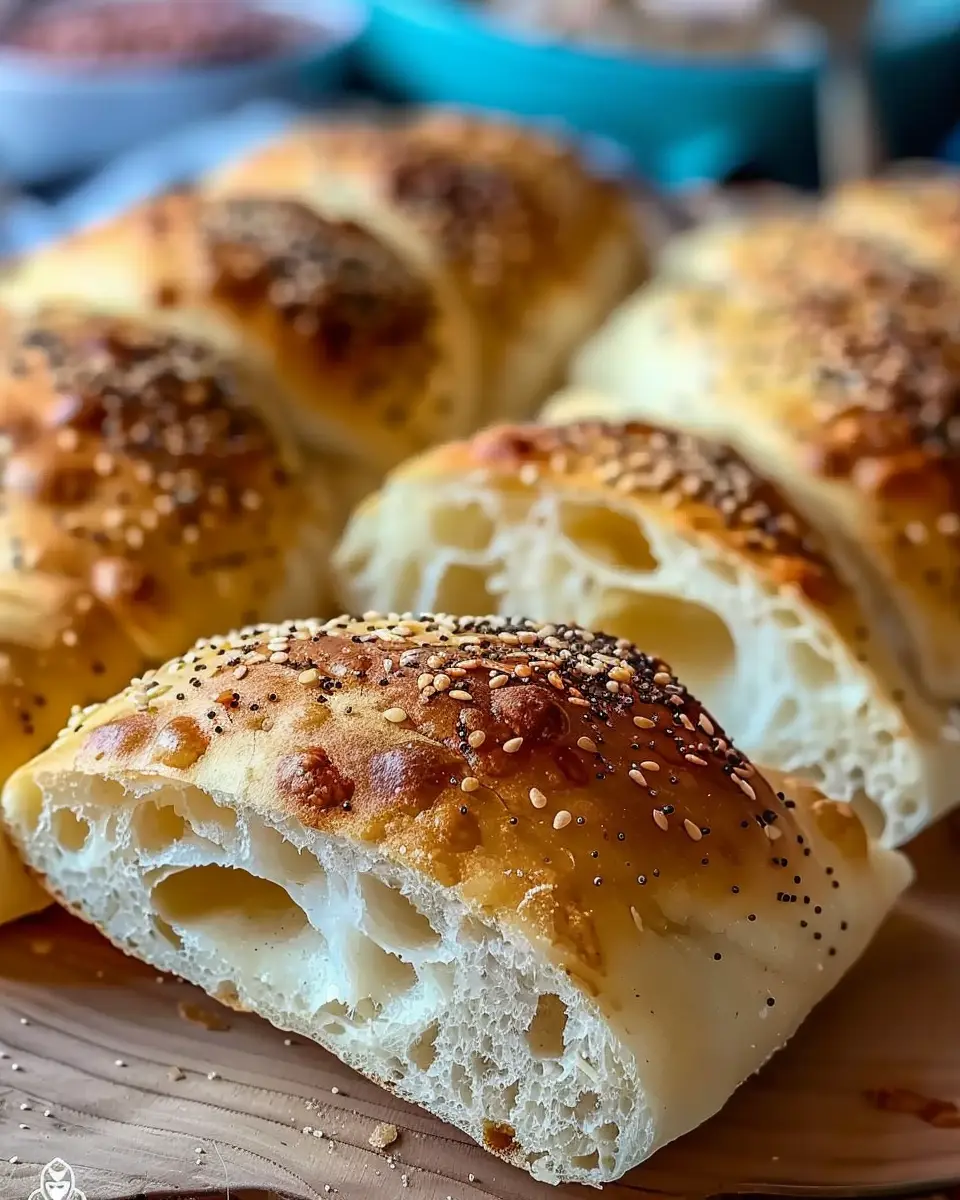
Variations of No-Oven Turkish Bread
Flavored options: Garlic and herbs
One of the best things about no-oven Turkish bread is its versatility. If you’re looking to elevate the flavor, consider adding garlic and herbs to your dough. Start by mixing minced garlic and a sprinkle of your favorite dried herbs—think oregano, thyme, or even basil—directly into the dough. Not only will it give the bread a delicious aroma, but it also pairs perfectly with a variety of dips and spreads. To further enhance the flavor, brush the bread with a mixture of olive oil and finely chopped fresh herbs right before serving. Trust me, it takes the taste to a whole new level!
Sweet Turkish bread alternatives
Craving something sweet? You can easily adapt your no-oven Turkish bread dough into a delightful dessert. Simply incorporate sugar, honey, or even a sprinkle of cinnamon to the base recipe. For a decadent touch, fold in some dried fruits like raisins or chopped nuts for texture. Once baked, serve it warm with a dollop of yogurt or a drizzle of honey for a delightful treat that balances flavors beautifully. If you’re feeling adventurous, try pairing it with a warm cup of herbal tea—perfect for cozy evenings at home.
These variations allow you to customize your no-oven Turkish bread experience, catering to your taste buds while enjoying the ease of preparation. Why not experiment with these flavors today? You’ll be amazed at how simple adjustments can create delightful results! For more inspiration, check out resources on Turkish cuisine here or explore bread-making techniques here.
Cooking tips for No-Oven Turkish Bread
When crafting your own no-oven Turkish bread, the key is simplicity and creativity. Remember, this recipe allows for flexibility based on what you have in your kitchen. Here are some tips to make your bread a true delight:
Choose the Right Pan
Using a heavy-bottomed skillet is essential for even cooking. If you have a cast-iron skillet, now is the time to bring it out! Heat it on low to ensure the bread cooks evenly without burning.
Texture Matters
For an unforgettable texture, don’t rush the kneading process. Aim for a smooth, elastic dough. You can use flour sparingly to avoid it sticking but try to keep it soft; this will contribute to that delightful chewy texture we all love.
Flair with Toppings
Personalizing your no-oven Turkish bread is half the fun! Try adding sesame seeds or za’atar for an aromatic twist. For a savory option, sprinkle some herbs like rosemary or thyme before cooking.
Stay Attentive
Watch the bread closely while it cooks. The perfect golden-brown color is your best indicator of readiness. If you prefer a softer crust, you can cover the skillet with a lid!
By following these tips, you’ll be well on your way to mastering your own delicious no-oven Turkish bread. For more inspiration on traditional Turkish dishes, check out Visit Turkey. Happy cooking!
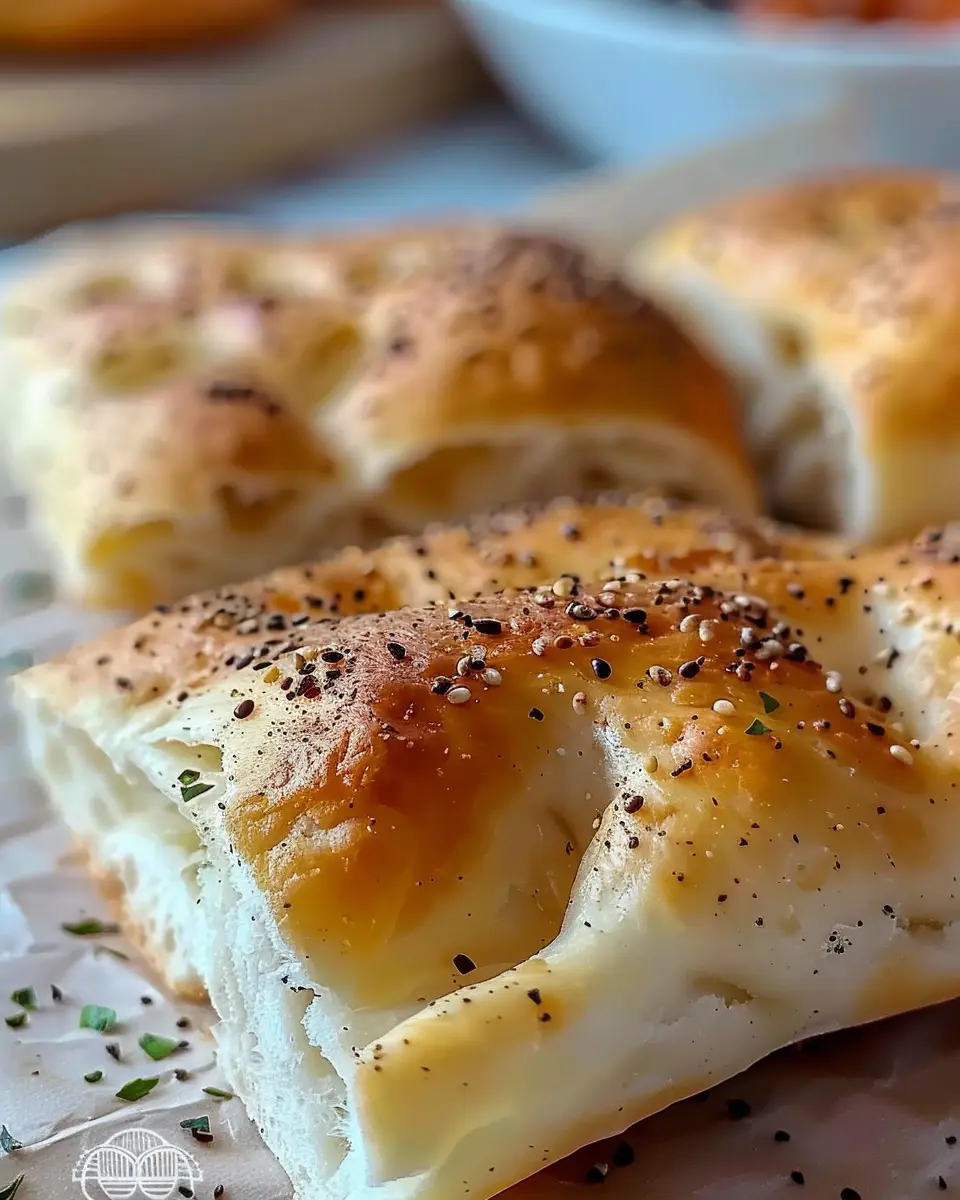
Serving suggestions for No-Oven Turkish Bread
When it comes to enjoying your no-oven Turkish bread, the possibilities are truly endless! This versatile bread can effortlessly enhance a variety of meals or stand out on its own as a delicious snack. Here are some creative serving suggestions to elevate your bread game:
Flavorful Pairings
-
Herbed Yogurt Dip: A creamy yogurt dip with fresh herbs like dill or mint makes for a fantastic complement. Simply mix yogurt with herbs, a splash of lemon juice, and salt for a refreshing side.
-
Mediterranean Spread: Serve alongside hummus, baba ganoush, or a zesty tzatziki sauce. These flavorful spreads are perfect for dipping and will transport your taste buds straight to the Mediterranean.
Savory Combinations
-
Turkey Bacon Avocado Toast: Top slices of no-oven Turkish bread with crispy turkey bacon, ripe avocado, and a sprinkle of chili flakes for a hearty breakfast or brunch option.
-
Chicken Ham Sandwich: Layer sliced chicken ham, cheese, and fresh greens between two pieces of this warm bread for a quick and satisfying lunch.
Sweet Twist
- Honey and Nuts: For a sweet treat, drizzle warm bread with honey and sprinkle with chopped nuts. It’s a delightful combination that can be served as dessert or a breakfast option.
For more detailed recipes and ideas, consider checking out The Mediterranean Dish or BBC Good Food for more inspiration. Enjoy your no-oven Turkish bread!
Time breakdown for No-Oven Turkish Bread
Preparation Time
Getting started with your no-oven Turkish bread is quick and easy! You’ll need about 10 minutes to gather your ingredients and mix them together. This is the perfect time to sip on your favorite beverage while dreaming about the delicious bread you’re about to create.
Cooking Time
Once the dough is ready, you can expect about 20 minutes of cooking time. Simply cook the bread on the stovetop, flipping it once for that golden-brown finish. This allows you to multitask—maybe prep some lovely dips or sides to enjoy with your bread!
Total Time
In just about 30 minutes, you can serve up warm, fluffy no-oven Turkish bread that will impress your friends and family. Perfect for those busy weeknights or spontaneous gatherings! So why wait? Get your ingredients and start your culinary adventure today.
For more tips on bread-making, check out King Arthur Baking.
Nutritional facts for No-Oven Turkish Bread
Calories
A serving of no-oven Turkish bread contains approximately 130 calories. This makes it a perfect option for those seeking a delicious yet low-calorie bread choice that won’t derail your healthy eating goals.
Carbohydrates
Each slice packs around 25 grams of carbohydrates. This balance provides a solid energy boost without being overly heavy, making it a fantastic addition to any meal or snack.
Protein
You can expect about 4 grams of protein per slice. While it may not be a powerhouse of protein, pairing it with toppings like turkey bacon or chicken ham can increase its nutritional value and keep you feeling full longer.
Interested in more healthy bread recipes? Check out sources like Healthline for tips on integrating nutritious options into your diet!
FAQs about No-Oven Turkish Bread
Can I add fillings to this bread?
Absolutely! One of the best things about making no-oven Turkish bread is its versatility. You can customize it to your taste by adding various fillings. Consider incorporating shredded cheese, herbs, or even sautéed vegetables like spinach or bell peppers. For a heartier option, Turkey Bacon or Chicken Ham works wonderfully. Just make sure to distribute your fillings evenly for a delicious bite every time!
How do I store leftover Turkish bread?
If you happen to have some leftover no-oven Turkish bread, don’t worry; it stores quite well. After allowing it to cool completely, wrap the bread in plastic wrap or aluminum foil. You can keep it at room temperature for up to two days. For longer storage, place it in an airtight container and tuck it into the fridge. If you want to keep it fresh for even longer, freeze it! When you’re ready to enjoy it again, simply thaw at room temperature and reheat in a skillet for a delightful crunch.
What can I use instead of olive oil?
While olive oil is a staple in many Mediterranean recipes, you can substitute it with other oils if needed. Try using avocado oil or coconut oil for a different flavor profile. If you’re looking for a healthier option, you might even use a splash of vegetable broth in place of oil for a lighter touch. Just think about the taste you want to achieve, and don’t hesitate to experiment!
Feel free to explore more about the ingredients at Food Network or Bon Appétit for ideal alternatives in Mediterranean recipes. Happy baking!
Conclusion on No-Oven Turkish Bread
In summary, no-oven Turkish bread is not just a substitute; it’s a delightful alternative that brings warmth and flavor right to your table. With its simple ingredients and easy preparation methods, you can whip up this delicious bread in no time. Whether served alongside your favorite dips or as a main component of a meal, it truly enhances the culinary experience.
For a tasty twist, consider trying different toppings or fillings, such as turkey bacon or chicken ham. Engage your creativity, and don’t hesitate to share your results! If you’re curious about other easy bread-making methods, check out resources like King Arthur Baking for inspiration. Happy baking!
PrintNo-Oven Turkish Bread: Easy Recipe for Homemade Comfort

Discover the ease of making No-Oven Turkish Bread in your own kitchen with this simple recipe that brings comfort and taste together.
- Prep Time: 15 minutes
- Cook Time: 10 minutes
- Total Time: 25 minutes
- Yield: 6 servings 1x
- Category: Bread
- Method: Stovetop
- Cuisine: Turkish
- Diet: Vegetarian
Ingredients
- 3 cups all-purpose flour
- 1 teaspoon salt
- 1 tablespoon sugar
- 1 tablespoon baking powder
- 1 cup warm water
- 2 tablespoons olive oil
Instructions
- In a bowl, combine the flour, salt, sugar, and baking powder.
- Add the warm water and olive oil, and mix until a dough forms.
- Knead the dough on a floured surface for about 5 minutes.
- Divide the dough into equal parts and roll each part into a flat circle.
- Heat a non-stick pan over medium heat and cook each flatbread for 3-4 minutes on each side until golden brown.
Notes
- If the dough is too sticky, add a little more flour.
- Serve warm with your favorite dips or spreads.
Nutrition
- Serving Size: 1 piece
- Calories: 150
- Sugar: 1g
- Sodium: 200mg
- Fat: 5g
- Saturated Fat: 0.5g
- Unsaturated Fat: 4g
- Trans Fat: 0g
- Carbohydrates: 24g
- Fiber: 1g
- Protein: 4g
- Cholesterol: 0mg
Keywords: No-Oven Turkish Bread, homemade bread, easy recipe